Arctic Pressure: Trump’s Greenland Bid and the NATO Risk
Arctic Pressure: Trump’s Greenland Bid and the NATO Risk
Arctic Pressure: Trump’s Greenland Bid and the NATO Risk
Trump is riding the wave of Venezuela; is Greenland next? Why the “military option” talk matters, and how Europe can respond.
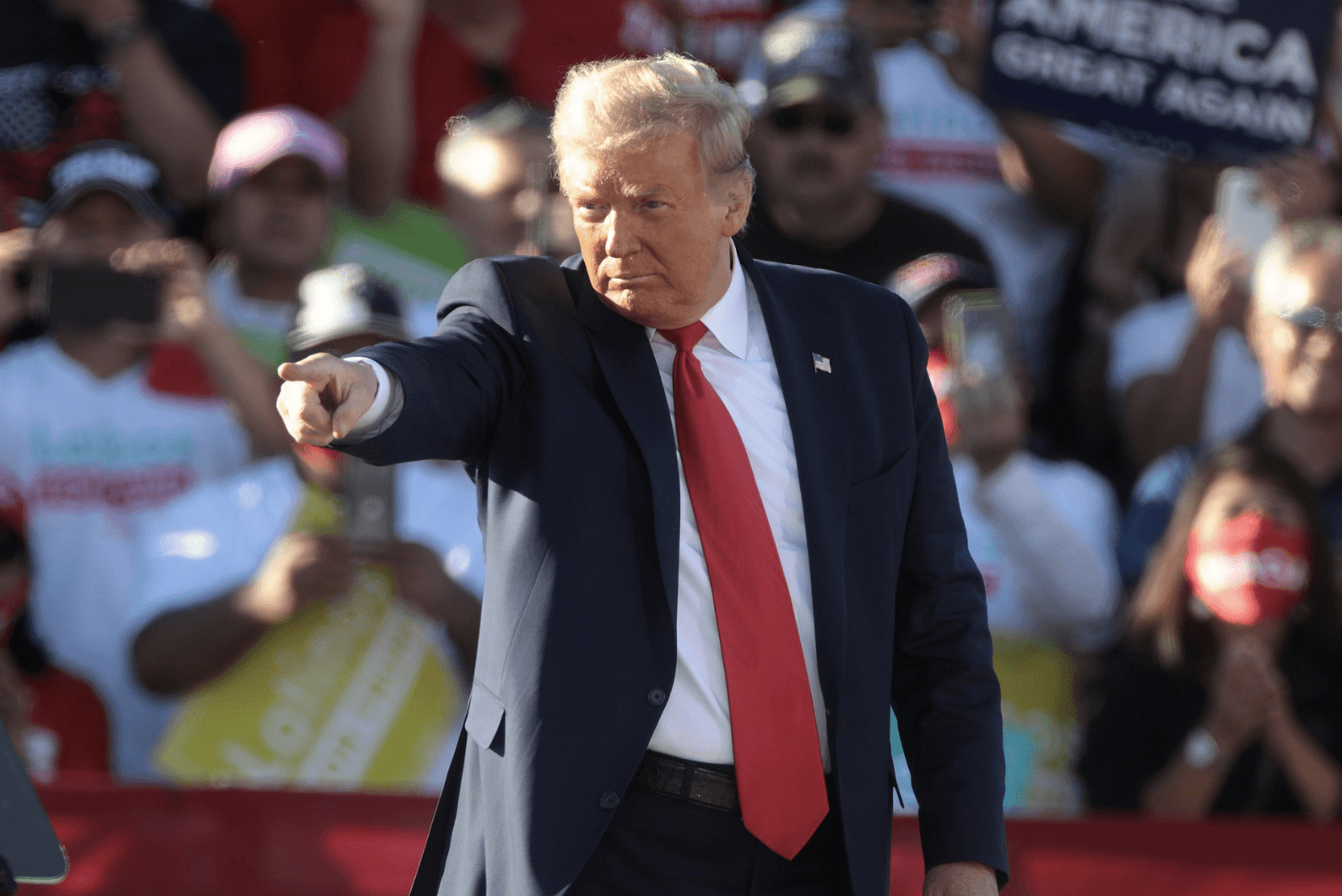
Trump has revived his desire for Greenland, defining it as a security priority, unmoved by the risk of losing NATO. The move has unsettled Denmark and Greenland, who dismiss any idea of ceding sovereignty. From here, however, Arctic Pressure transitions from diplomacy to Trump applying pressure, with the U.S. gauging how much its allies will tolerate as NATO tries to contain things before this becomes the status quo. What ensues next is based on quiet transaction between the US and Denmark. Will talks aid in dampening the rhetoric? or will Trump continue applying pressure, forcing NATO into a tougher position?
Timeline:
• 3rd Jan 2026: Trump restates his interest in Greenland, riding the wave of the successful U.S Military operation in Venezuela.
• 6th Jan 2026: A united Europe issues a statement, publicly backing Greenland’s sovereignty and rejecting the US advancements. Countries include France, Italy, Poland, Spain, the United Kingdom and Denmark.
• 7th Jan 2026: Diplomatic signals from the US as Marco Rubio (Secretary of State) announces plans to meet with Danish leaders in the coming week (Starting 12/01). Statement also given from Stephen Miller dismissing all concerns surrounding sovereignty.
• 8th Jan 2026: Trump’s advisors meet with Denmark/Greenland envoys. Pele Broberg (Greenland opposition leader) suggests direct talks with the US, excluding Denmark.
Why Greenland Mr. President?
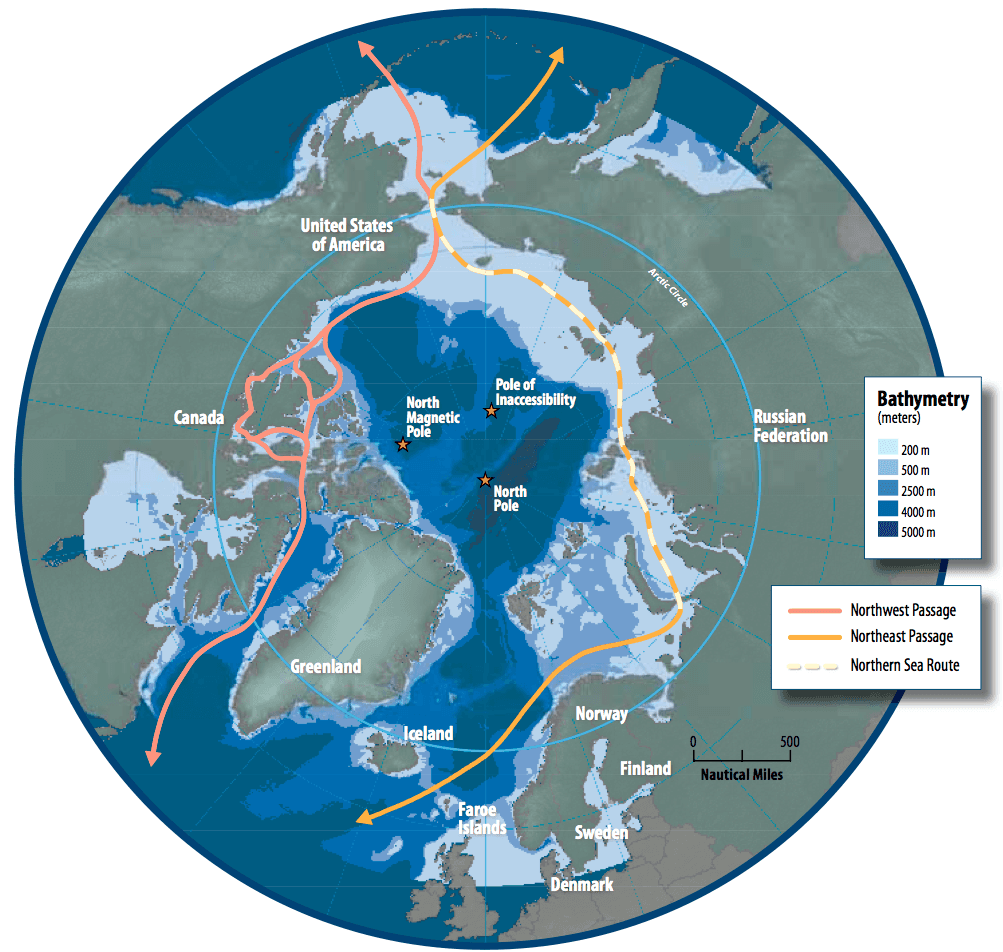
There are several reasons behind Trump’s intended move on Greenland: military; trade; resource. Militarily, the US stands to gain “strategic positioning in relation to Russia” as well as room to run key military systems without Danish consent. In the longer term, regarding trade, the melting ice surrounding Greenland is predicted to open newer trade routes through the arctic, something the US views as useful in the long term. Adding to the economic benefit is the raw mineral potential of Greenland, which if found to be profitable, would reduce US reliance on China for supply.
Aside from the material benefits to controlling Greenland, this move acts as a way for Trump to gauge the United States’ position on the world stage through testing alliance limits.
Trump has revived his desire for Greenland, defining it as a security priority, unmoved by the risk of losing NATO. The move has unsettled Denmark and Greenland, who dismiss any idea of ceding sovereignty. From here, however, Arctic Pressure transitions from diplomacy to Trump applying pressure, with the U.S. gauging how much its allies will tolerate as NATO tries to contain things before this becomes the status quo. What ensues next is based on quiet transaction between the US and Denmark. Will talks aid in dampening the rhetoric? or will Trump continue applying pressure, forcing NATO into a tougher position?
Timeline:
• 3rd Jan 2026: Trump restates his interest in Greenland, riding the wave of the successful U.S Military operation in Venezuela.
• 6th Jan 2026: A united Europe issues a statement, publicly backing Greenland’s sovereignty and rejecting the US advancements. Countries include France, Italy, Poland, Spain, the United Kingdom and Denmark.
• 7th Jan 2026: Diplomatic signals from the US as Marco Rubio (Secretary of State) announces plans to meet with Danish leaders in the coming week (Starting 12/01). Statement also given from Stephen Miller dismissing all concerns surrounding sovereignty.
• 8th Jan 2026: Trump’s advisors meet with Denmark/Greenland envoys. Pele Broberg (Greenland opposition leader) suggests direct talks with the US, excluding Denmark.
Why Greenland Mr. President?
There are several reasons behind Trump’s intended move on Greenland: military; trade; resource. Militarily, the US stands to gain “strategic positioning in relation to Russia” as well as room to run key military systems without Danish consent. In the longer term, regarding trade, the melting ice surrounding Greenland is predicted to open newer trade routes through the arctic, something the US views as useful in the long term. Adding to the economic benefit is the raw mineral potential of Greenland, which if found to be profitable, would reduce US reliance on China for supply.
Aside from the material benefits to controlling Greenland, this move acts as a way for Trump to gauge the United States’ position on the world stage through testing alliance limits.
Trump has revived his desire for Greenland, defining it as a security priority, unmoved by the risk of losing NATO. The move has unsettled Denmark and Greenland, who dismiss any idea of ceding sovereignty. From here, however, Arctic Pressure transitions from diplomacy to Trump applying pressure, with the U.S. gauging how much its allies will tolerate as NATO tries to contain things before this becomes the status quo. What ensues next is based on quiet transaction between the US and Denmark. Will talks aid in dampening the rhetoric? or will Trump continue applying pressure, forcing NATO into a tougher position?
Timeline:
• 3rd Jan 2026: Trump restates his interest in Greenland, riding the wave of the successful U.S Military operation in Venezuela.
• 6th Jan 2026: A united Europe issues a statement, publicly backing Greenland’s sovereignty and rejecting the US advancements. Countries include France, Italy, Poland, Spain, the United Kingdom and Denmark.
• 7th Jan 2026: Diplomatic signals from the US as Marco Rubio (Secretary of State) announces plans to meet with Danish leaders in the coming week (Starting 12/01). Statement also given from Stephen Miller dismissing all concerns surrounding sovereignty.
• 8th Jan 2026: Trump’s advisors meet with Denmark/Greenland envoys. Pele Broberg (Greenland opposition leader) suggests direct talks with the US, excluding Denmark.
Why Greenland Mr. President?
There are several reasons behind Trump’s intended move on Greenland: military; trade; resource. Militarily, the US stands to gain “strategic positioning in relation to Russia” as well as room to run key military systems without Danish consent. In the longer term, regarding trade, the melting ice surrounding Greenland is predicted to open newer trade routes through the arctic, something the US views as useful in the long term. Adding to the economic benefit is the raw mineral potential of Greenland, which if found to be profitable, would reduce US reliance on China for supply.
Aside from the material benefits to controlling Greenland, this move acts as a way for Trump to gauge the United States’ position on the world stage through testing alliance limits.