Russia’s Quiet Strategy: Securitisation within Foreign Policy
Russia’s Quiet Strategy: Securitisation within Foreign Policy
Russia’s Quiet Strategy: Securitisation within Foreign Policy
Russia uses food and fertiliser exports as strategic leverage, ending the Black Sea grain deal to justify attacks, weaken Ukraine’s economy, and pressure sanctioning states.
As of 2021, Russia has selectively dispatched fertiliser exports to aligning states through de facto concessions. Alongside these donations and subsidisations, Russia has also actively obstructed grain from reaching numerous other countries, both indicative of a quiet securitisation effort.
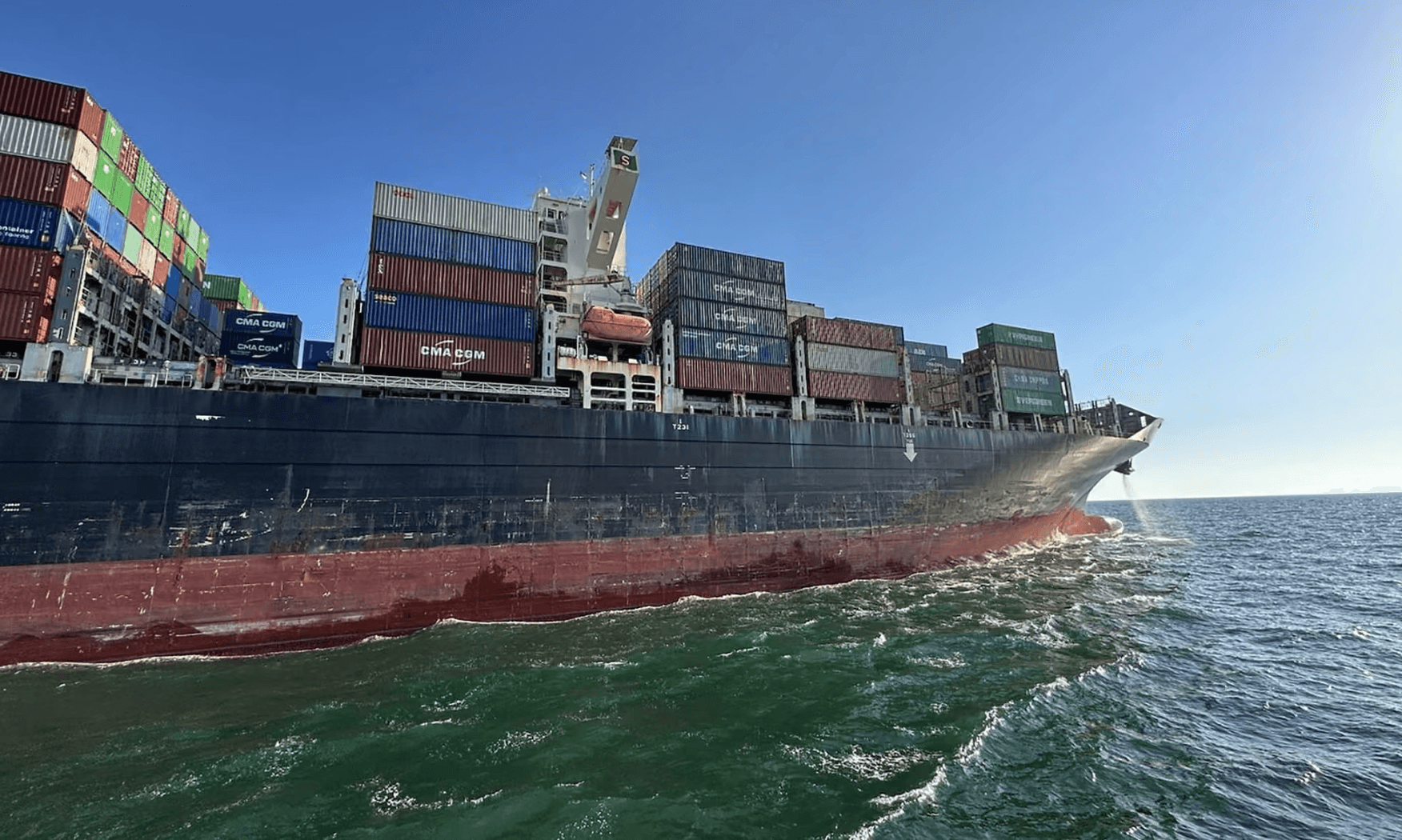
This strategy, however, became explicit through Russia’s conduct during the Black Sea grain deal (BSGD). Fertiliser prices surged during the course of the Ukraine war, rising by 30% in early 2022, exhibiting effects of sanctions on global supply chains, after experiencing a pre-invasion 80% hike the year prior . To ease food prices globally , the BSGD—a collaboration between Russia, Ukraine, Turkey, and the UN—ensured that Ukraine’s shipments could leave the Black Sea via the Bosphorus. Commercial foods and fertiliser were to be exported from Odesa, Chornomorsk, and Pivdennyi (Ukrainian ports), towards Istanbul along an agreed maritime humanitarian corridor .
Yet, it was Russia’s termination of the BSGD in July 2023 that alluded to its strategic posturing. Russia expressed that the Memorandum of Understanding’s (MoU) section 2—an adjacent agreement promoting the unimpeded access of food and fertiliser products globally from Russia —was not completely honoured by the West . Although the agreements themselves propagated the mutual benefit of both countries, the US, UK, and EU sanctions still disrupted Russian exports because shipping and insurance companies did not want to deal with Russia . Effectually, the West fell short in its efforts to alleviate impediments that arose in “the finance, insurance, and logistical sectors”, securing virtually no material gain for Russia through the MoU.
On the other hand, Putin noted that the accord allowed benefited Ukrainian farmers to through grain exports. This was substantive as, while the BSGD was active, 33 million tonnes of grain and foodstuffs were exported from Ukraine , strengthening its economy during wartime. Moreover, Kyiv proposed a continuation of the grain deal to Ankara without Russia, leading the Kremlin to acknowledge it as a “risk” due to the zone’s close proximity to the ongoing combat. In response Russia’s defence ministry stated that “any ship leaving a Ukrainian port would be a legitimate military target” problematising grain exports as a securitisation issue, rather than a diplomatic struggle.
Effectively, Russia’s securitisation framing served to legitimise its drone strikes on the Odesa port—damaging loading terminals, storage buildings, and grain warehouses . Ukrainian authorities reported that 60,000 tonnes of grain was destroyed in the affected facilities, as well as compromising alternative support lines . Russia’s offensive was heavy; so much so in-fact that in the heightened escalations between January-September 2023, there were at least 107 separate attacks on the black-sea ports. As such, despite Ukraine’s economic rebound through the BSGD, its economy remained approximately 22% below its pre-invasion size in late 2024 , with only a projected 3.5% increase in 2025. Ultimately, Russia’s securitisation of agricultural exports contributed to Ukraine’s weakened economy, and by extension its war potential, whilst also leveraging global food insecurity against sanctioning bodies.
As of 2021, Russia has selectively dispatched fertiliser exports to aligning states through de facto concessions. Alongside these donations and subsidisations, Russia has also actively obstructed grain from reaching numerous other countries, both indicative of a quiet securitisation effort.
This strategy, however, became explicit through Russia’s conduct during the Black Sea grain deal (BSGD). Fertiliser prices surged during the course of the Ukraine war, rising by 30% in early 2022, exhibiting effects of sanctions on global supply chains, after experiencing a pre-invasion 80% hike the year prior . To ease food prices globally , the BSGD—a collaboration between Russia, Ukraine, Turkey, and the UN—ensured that Ukraine’s shipments could leave the Black Sea via the Bosphorus. Commercial foods and fertiliser were to be exported from Odesa, Chornomorsk, and Pivdennyi (Ukrainian ports), towards Istanbul along an agreed maritime humanitarian corridor .
Yet, it was Russia’s termination of the BSGD in July 2023 that alluded to its strategic posturing. Russia expressed that the Memorandum of Understanding’s (MoU) section 2—an adjacent agreement promoting the unimpeded access of food and fertiliser products globally from Russia —was not completely honoured by the West . Although the agreements themselves propagated the mutual benefit of both countries, the US, UK, and EU sanctions still disrupted Russian exports because shipping and insurance companies did not want to deal with Russia . Effectually, the West fell short in its efforts to alleviate impediments that arose in “the finance, insurance, and logistical sectors”, securing virtually no material gain for Russia through the MoU.
On the other hand, Putin noted that the accord allowed benefited Ukrainian farmers to through grain exports. This was substantive as, while the BSGD was active, 33 million tonnes of grain and foodstuffs were exported from Ukraine , strengthening its economy during wartime. Moreover, Kyiv proposed a continuation of the grain deal to Ankara without Russia, leading the Kremlin to acknowledge it as a “risk” due to the zone’s close proximity to the ongoing combat. In response Russia’s defence ministry stated that “any ship leaving a Ukrainian port would be a legitimate military target” problematising grain exports as a securitisation issue, rather than a diplomatic struggle.
Effectively, Russia’s securitisation framing served to legitimise its drone strikes on the Odesa port—damaging loading terminals, storage buildings, and grain warehouses . Ukrainian authorities reported that 60,000 tonnes of grain was destroyed in the affected facilities, as well as compromising alternative support lines . Russia’s offensive was heavy; so much so in-fact that in the heightened escalations between January-September 2023, there were at least 107 separate attacks on the black-sea ports. As such, despite Ukraine’s economic rebound through the BSGD, its economy remained approximately 22% below its pre-invasion size in late 2024 , with only a projected 3.5% increase in 2025. Ultimately, Russia’s securitisation of agricultural exports contributed to Ukraine’s weakened economy, and by extension its war potential, whilst also leveraging global food insecurity against sanctioning bodies.
As of 2021, Russia has selectively dispatched fertiliser exports to aligning states through de facto concessions. Alongside these donations and subsidisations, Russia has also actively obstructed grain from reaching numerous other countries, both indicative of a quiet securitisation effort.
This strategy, however, became explicit through Russia’s conduct during the Black Sea grain deal (BSGD). Fertiliser prices surged during the course of the Ukraine war, rising by 30% in early 2022, exhibiting effects of sanctions on global supply chains, after experiencing a pre-invasion 80% hike the year prior . To ease food prices globally , the BSGD—a collaboration between Russia, Ukraine, Turkey, and the UN—ensured that Ukraine’s shipments could leave the Black Sea via the Bosphorus. Commercial foods and fertiliser were to be exported from Odesa, Chornomorsk, and Pivdennyi (Ukrainian ports), towards Istanbul along an agreed maritime humanitarian corridor .
Yet, it was Russia’s termination of the BSGD in July 2023 that alluded to its strategic posturing. Russia expressed that the Memorandum of Understanding’s (MoU) section 2—an adjacent agreement promoting the unimpeded access of food and fertiliser products globally from Russia —was not completely honoured by the West . Although the agreements themselves propagated the mutual benefit of both countries, the US, UK, and EU sanctions still disrupted Russian exports because shipping and insurance companies did not want to deal with Russia . Effectually, the West fell short in its efforts to alleviate impediments that arose in “the finance, insurance, and logistical sectors”, securing virtually no material gain for Russia through the MoU.
On the other hand, Putin noted that the accord allowed benefited Ukrainian farmers to through grain exports. This was substantive as, while the BSGD was active, 33 million tonnes of grain and foodstuffs were exported from Ukraine , strengthening its economy during wartime. Moreover, Kyiv proposed a continuation of the grain deal to Ankara without Russia, leading the Kremlin to acknowledge it as a “risk” due to the zone’s close proximity to the ongoing combat. In response Russia’s defence ministry stated that “any ship leaving a Ukrainian port would be a legitimate military target” problematising grain exports as a securitisation issue, rather than a diplomatic struggle.
Effectively, Russia’s securitisation framing served to legitimise its drone strikes on the Odesa port—damaging loading terminals, storage buildings, and grain warehouses . Ukrainian authorities reported that 60,000 tonnes of grain was destroyed in the affected facilities, as well as compromising alternative support lines . Russia’s offensive was heavy; so much so in-fact that in the heightened escalations between January-September 2023, there were at least 107 separate attacks on the black-sea ports. As such, despite Ukraine’s economic rebound through the BSGD, its economy remained approximately 22% below its pre-invasion size in late 2024 , with only a projected 3.5% increase in 2025. Ultimately, Russia’s securitisation of agricultural exports contributed to Ukraine’s weakened economy, and by extension its war potential, whilst also leveraging global food insecurity against sanctioning bodies.