Infrastructure Without IMF Strings: A New Model?
Infrastructure Without IMF Strings: A New Model?
Infrastructure Without IMF Strings: A New Model?
Countries are turning to non-IMF infrastructure finance to avoid austerity and delays, gaining flexibility while shifting risk from the economy to individual projects.
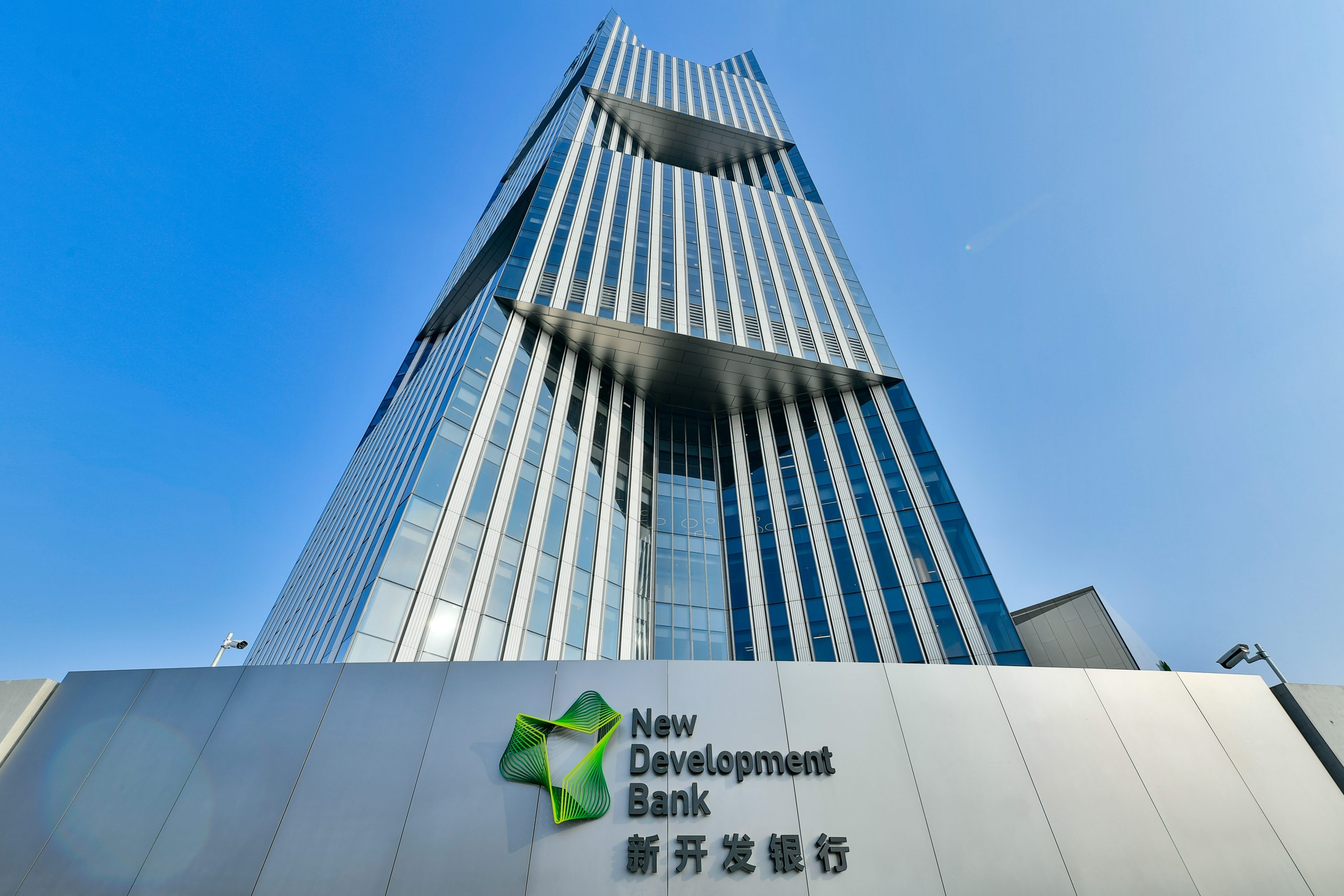
In the last decade, infrastructure financing has been decentralised away from institutions that have long been the recipients of global financial power. For many developing and emerging economies, the IMF or the broader Bretton Woods system is no longer a prerequisite for getting multimillion-dollar loans; instead, a system of bilateral agreements and the establishment of the NDB offers funding through loans or investment with little or no policy conditions — conditions that generally require austerity by force. This change has manifested itself most clearly in major physical infrastructure works, where time and political leeway have priority over macroeconomic demands for structural adjustment. Increasingly, therefore, a larger number of states have the choice of infrastructure funding that does not come with the fiscal and structural impositions that go with conventional IMF-style programmes. The question is whether this is a genuinely new model of development finance or merely a change of constraints under different institutional branding.
In order to grasp why alternative infrastructure financing models have developed their appeal, we need to first define what the IMF's "conditions" or "strings" mean. Typically, IMF financing comes with conditions that seek to restore macroeconomic stability in the borrower country. The typical condition areas include fiscal reform/consolidation, currency reform, and reforming domestic economic policy. These conditions are designed to decrease the perceived level of risk and to provide reassurance to other international creditors. However, these conditions may come with significant political and social costs to the borrowing countries. At times of economic stress, borrowing countries may see delays in their planned infrastructure expenditures, tighter public budgets, and reduced domestic policy autonomy. The IMF has traditionally viewed itself as an emergency/crisis management entity. Consequently, the traditional conditions imposed by the IMF on its borrowers have created an impression of the IMF's financing model being overly burdensome, intrusive, and very difficult for a borrowing government to support long-term politically. This is the context within which alternative financing options to those linked directly to the IMF have developed popularity.
The demand for infrastructure finance outside IMF frameworks is becoming increasingly desirable as a response to recent economic shocks, as well as the political costs associated with IMF programmes. Previously, countries facing economic hardship would turn to the IMF for loans; however, they do so at great political cost. Significant economic, political, social, and temporal costs fall on governments because they force undesirable policy change, reduce policy options, and postpone capital expenditures during times when they are required most. Whereas IMF programmes promise relatively quick and highly observable economic and political payoffs regarding development and stability, investment in infrastructure is a high opportunity cost for many countries wanting to boost their economies through development. There is a desperate need for several different types of infrastructure developments, and countries are waiting on IMF programme negotiations and constructions to start; however, many countries are looking to other sources of funding to allow them to get this work started before taking the necessary macroeconomic adjustments that an IMF programme requires.
A second structure for providing funding for the development of infrastructure has been developing in response to the call for additional support. A number of countries have turned away from multilateral funding that is tied to the implementation of the macroeconomic reforms called for by the IMF and instead are obtaining funding through bilateral means, and development banks subsidised independent of the IMF's programmes. China has been at the forefront of this new way of obtaining support, as well as through the funding provided by the Gulf sovereign wealth funds and through institutions like the New Development Bank that provide project-based funding (and do so in a manner focussed on supporting the project rather than on addressing a country's financial crisis). These models generally favour project delivery, speed, and flexibility over the broad range of reforms needed to address a country's overall economic situation. Consequently, the provision of funding for infrastructure development has increasingly become focussed on funding specific projects as opposed to investing in a comprehensive programme of economic reform. This provides governments with an alternative means of financing large-scale projects and also provides them with an opportunity to obtain funding without having to immediately comply with all of the conditions of the IMF.
Consider the case of Sri Lanka's Hambantota Port project; the port was financed by Chinese state-backed financing outside of an IMF programme and built quickly as part of the larger BRI (Belt and Road initiative). Financing for the port did not include IMF conditionality including fiscal reform or budget conditionality, making it more politically acceptable to the Sri Lankan government at the time. However, loan repayments were contingent upon the port's success, and the failure of revenues from the port to meet expectations led to the government negotiating with Chinese lenders and ultimately, in 2017, leasing the port to a Chinese state-owned entity, thereby restructuring its debt instead of triggering an IMF-supported macroeconomic adjustment programme. This example illustrates that infrastructure financing absent of IMF conditionality can facilitate quick development but transfer risk and constraints from the overall economy to specific projects and/or assets.
To sum up, there is a strong case to suggest that a newer financing model outside the IMF is gaining traction, however, with its limits. Funding alternatives have indeed made large-scale infrastructure projects more accessible to governments within the global south. Leniencies in relation to conditionality and political flexibility have allowed for this. However, it must be mentioned that despite it being a more attractive alternative, it still remains an alternative, carrying its own restraints. The focus of obligations in relation to the development of infrastructure has shifted from large-scale economic reforms (i.e., at a macro level) to smaller-scale bilateral relationships between countries, project-specific requirements for financing, and specific future revenue streams associated with each project; as such, governments have a higher degree of autonomy when using non-IMF financed infrastructure to reduce their financial burdens and improve access to resources and services over the short-term. However, there are still trade-offs and risks present in both models, and they do not replace one another, rather operate parallel to each other, offering an alternative model for accessing development funding that is limited by its selectivity, fragmentation, and incompleteness.
In the last decade, infrastructure financing has been decentralised away from institutions that have long been the recipients of global financial power. For many developing and emerging economies, the IMF or the broader Bretton Woods system is no longer a prerequisite for getting multimillion-dollar loans; instead, a system of bilateral agreements and the establishment of the NDB offers funding through loans or investment with little or no policy conditions — conditions that generally require austerity by force. This change has manifested itself most clearly in major physical infrastructure works, where time and political leeway have priority over macroeconomic demands for structural adjustment. Increasingly, therefore, a larger number of states have the choice of infrastructure funding that does not come with the fiscal and structural impositions that go with conventional IMF-style programmes. The question is whether this is a genuinely new model of development finance or merely a change of constraints under different institutional branding.
In order to grasp why alternative infrastructure financing models have developed their appeal, we need to first define what the IMF's "conditions" or "strings" mean. Typically, IMF financing comes with conditions that seek to restore macroeconomic stability in the borrower country. The typical condition areas include fiscal reform/consolidation, currency reform, and reforming domestic economic policy. These conditions are designed to decrease the perceived level of risk and to provide reassurance to other international creditors. However, these conditions may come with significant political and social costs to the borrowing countries. At times of economic stress, borrowing countries may see delays in their planned infrastructure expenditures, tighter public budgets, and reduced domestic policy autonomy. The IMF has traditionally viewed itself as an emergency/crisis management entity. Consequently, the traditional conditions imposed by the IMF on its borrowers have created an impression of the IMF's financing model being overly burdensome, intrusive, and very difficult for a borrowing government to support long-term politically. This is the context within which alternative financing options to those linked directly to the IMF have developed popularity.
The demand for infrastructure finance outside IMF frameworks is becoming increasingly desirable as a response to recent economic shocks, as well as the political costs associated with IMF programmes. Previously, countries facing economic hardship would turn to the IMF for loans; however, they do so at great political cost. Significant economic, political, social, and temporal costs fall on governments because they force undesirable policy change, reduce policy options, and postpone capital expenditures during times when they are required most. Whereas IMF programmes promise relatively quick and highly observable economic and political payoffs regarding development and stability, investment in infrastructure is a high opportunity cost for many countries wanting to boost their economies through development. There is a desperate need for several different types of infrastructure developments, and countries are waiting on IMF programme negotiations and constructions to start; however, many countries are looking to other sources of funding to allow them to get this work started before taking the necessary macroeconomic adjustments that an IMF programme requires.
A second structure for providing funding for the development of infrastructure has been developing in response to the call for additional support. A number of countries have turned away from multilateral funding that is tied to the implementation of the macroeconomic reforms called for by the IMF and instead are obtaining funding through bilateral means, and development banks subsidised independent of the IMF's programmes. China has been at the forefront of this new way of obtaining support, as well as through the funding provided by the Gulf sovereign wealth funds and through institutions like the New Development Bank that provide project-based funding (and do so in a manner focussed on supporting the project rather than on addressing a country's financial crisis). These models generally favour project delivery, speed, and flexibility over the broad range of reforms needed to address a country's overall economic situation. Consequently, the provision of funding for infrastructure development has increasingly become focussed on funding specific projects as opposed to investing in a comprehensive programme of economic reform. This provides governments with an alternative means of financing large-scale projects and also provides them with an opportunity to obtain funding without having to immediately comply with all of the conditions of the IMF.
Consider the case of Sri Lanka's Hambantota Port project; the port was financed by Chinese state-backed financing outside of an IMF programme and built quickly as part of the larger BRI (Belt and Road initiative). Financing for the port did not include IMF conditionality including fiscal reform or budget conditionality, making it more politically acceptable to the Sri Lankan government at the time. However, loan repayments were contingent upon the port's success, and the failure of revenues from the port to meet expectations led to the government negotiating with Chinese lenders and ultimately, in 2017, leasing the port to a Chinese state-owned entity, thereby restructuring its debt instead of triggering an IMF-supported macroeconomic adjustment programme. This example illustrates that infrastructure financing absent of IMF conditionality can facilitate quick development but transfer risk and constraints from the overall economy to specific projects and/or assets.
To sum up, there is a strong case to suggest that a newer financing model outside the IMF is gaining traction, however, with its limits. Funding alternatives have indeed made large-scale infrastructure projects more accessible to governments within the global south. Leniencies in relation to conditionality and political flexibility have allowed for this. However, it must be mentioned that despite it being a more attractive alternative, it still remains an alternative, carrying its own restraints. The focus of obligations in relation to the development of infrastructure has shifted from large-scale economic reforms (i.e., at a macro level) to smaller-scale bilateral relationships between countries, project-specific requirements for financing, and specific future revenue streams associated with each project; as such, governments have a higher degree of autonomy when using non-IMF financed infrastructure to reduce their financial burdens and improve access to resources and services over the short-term. However, there are still trade-offs and risks present in both models, and they do not replace one another, rather operate parallel to each other, offering an alternative model for accessing development funding that is limited by its selectivity, fragmentation, and incompleteness.
In the last decade, infrastructure financing has been decentralised away from institutions that have long been the recipients of global financial power. For many developing and emerging economies, the IMF or the broader Bretton Woods system is no longer a prerequisite for getting multimillion-dollar loans; instead, a system of bilateral agreements and the establishment of the NDB offers funding through loans or investment with little or no policy conditions — conditions that generally require austerity by force. This change has manifested itself most clearly in major physical infrastructure works, where time and political leeway have priority over macroeconomic demands for structural adjustment. Increasingly, therefore, a larger number of states have the choice of infrastructure funding that does not come with the fiscal and structural impositions that go with conventional IMF-style programmes. The question is whether this is a genuinely new model of development finance or merely a change of constraints under different institutional branding.
In order to grasp why alternative infrastructure financing models have developed their appeal, we need to first define what the IMF's "conditions" or "strings" mean. Typically, IMF financing comes with conditions that seek to restore macroeconomic stability in the borrower country. The typical condition areas include fiscal reform/consolidation, currency reform, and reforming domestic economic policy. These conditions are designed to decrease the perceived level of risk and to provide reassurance to other international creditors. However, these conditions may come with significant political and social costs to the borrowing countries. At times of economic stress, borrowing countries may see delays in their planned infrastructure expenditures, tighter public budgets, and reduced domestic policy autonomy. The IMF has traditionally viewed itself as an emergency/crisis management entity. Consequently, the traditional conditions imposed by the IMF on its borrowers have created an impression of the IMF's financing model being overly burdensome, intrusive, and very difficult for a borrowing government to support long-term politically. This is the context within which alternative financing options to those linked directly to the IMF have developed popularity.
The demand for infrastructure finance outside IMF frameworks is becoming increasingly desirable as a response to recent economic shocks, as well as the political costs associated with IMF programmes. Previously, countries facing economic hardship would turn to the IMF for loans; however, they do so at great political cost. Significant economic, political, social, and temporal costs fall on governments because they force undesirable policy change, reduce policy options, and postpone capital expenditures during times when they are required most. Whereas IMF programmes promise relatively quick and highly observable economic and political payoffs regarding development and stability, investment in infrastructure is a high opportunity cost for many countries wanting to boost their economies through development. There is a desperate need for several different types of infrastructure developments, and countries are waiting on IMF programme negotiations and constructions to start; however, many countries are looking to other sources of funding to allow them to get this work started before taking the necessary macroeconomic adjustments that an IMF programme requires.
A second structure for providing funding for the development of infrastructure has been developing in response to the call for additional support. A number of countries have turned away from multilateral funding that is tied to the implementation of the macroeconomic reforms called for by the IMF and instead are obtaining funding through bilateral means, and development banks subsidised independent of the IMF's programmes. China has been at the forefront of this new way of obtaining support, as well as through the funding provided by the Gulf sovereign wealth funds and through institutions like the New Development Bank that provide project-based funding (and do so in a manner focussed on supporting the project rather than on addressing a country's financial crisis). These models generally favour project delivery, speed, and flexibility over the broad range of reforms needed to address a country's overall economic situation. Consequently, the provision of funding for infrastructure development has increasingly become focussed on funding specific projects as opposed to investing in a comprehensive programme of economic reform. This provides governments with an alternative means of financing large-scale projects and also provides them with an opportunity to obtain funding without having to immediately comply with all of the conditions of the IMF.
Consider the case of Sri Lanka's Hambantota Port project; the port was financed by Chinese state-backed financing outside of an IMF programme and built quickly as part of the larger BRI (Belt and Road initiative). Financing for the port did not include IMF conditionality including fiscal reform or budget conditionality, making it more politically acceptable to the Sri Lankan government at the time. However, loan repayments were contingent upon the port's success, and the failure of revenues from the port to meet expectations led to the government negotiating with Chinese lenders and ultimately, in 2017, leasing the port to a Chinese state-owned entity, thereby restructuring its debt instead of triggering an IMF-supported macroeconomic adjustment programme. This example illustrates that infrastructure financing absent of IMF conditionality can facilitate quick development but transfer risk and constraints from the overall economy to specific projects and/or assets.
To sum up, there is a strong case to suggest that a newer financing model outside the IMF is gaining traction, however, with its limits. Funding alternatives have indeed made large-scale infrastructure projects more accessible to governments within the global south. Leniencies in relation to conditionality and political flexibility have allowed for this. However, it must be mentioned that despite it being a more attractive alternative, it still remains an alternative, carrying its own restraints. The focus of obligations in relation to the development of infrastructure has shifted from large-scale economic reforms (i.e., at a macro level) to smaller-scale bilateral relationships between countries, project-specific requirements for financing, and specific future revenue streams associated with each project; as such, governments have a higher degree of autonomy when using non-IMF financed infrastructure to reduce their financial burdens and improve access to resources and services over the short-term. However, there are still trade-offs and risks present in both models, and they do not replace one another, rather operate parallel to each other, offering an alternative model for accessing development funding that is limited by its selectivity, fragmentation, and incompleteness.